Showing posts with label better your indoor air. Show all posts

Tuesday, November 4, 2025

7 Misconceptions About Exhaust Fans — What You Should Know

There are a lot of misconceptions about exhaust fans out there. Exhaust fans are one of the most underrated—and misunderstood—features in a home. They quietly remove moisture, odors, and stale air, helping to improve indoor air quality and prevent long-term structural issues. Yet despite their importance, many homeowners have misconceptions about how they work and what they’re designed to do. These misunderstandings can lead to improper installation, reduced performance, and even hidden damage to the home. Let’s clear the air—literally and debunk some common misconceptions about exhaust fans.

Misconception 1: Exhaust fans are only for removing odors.

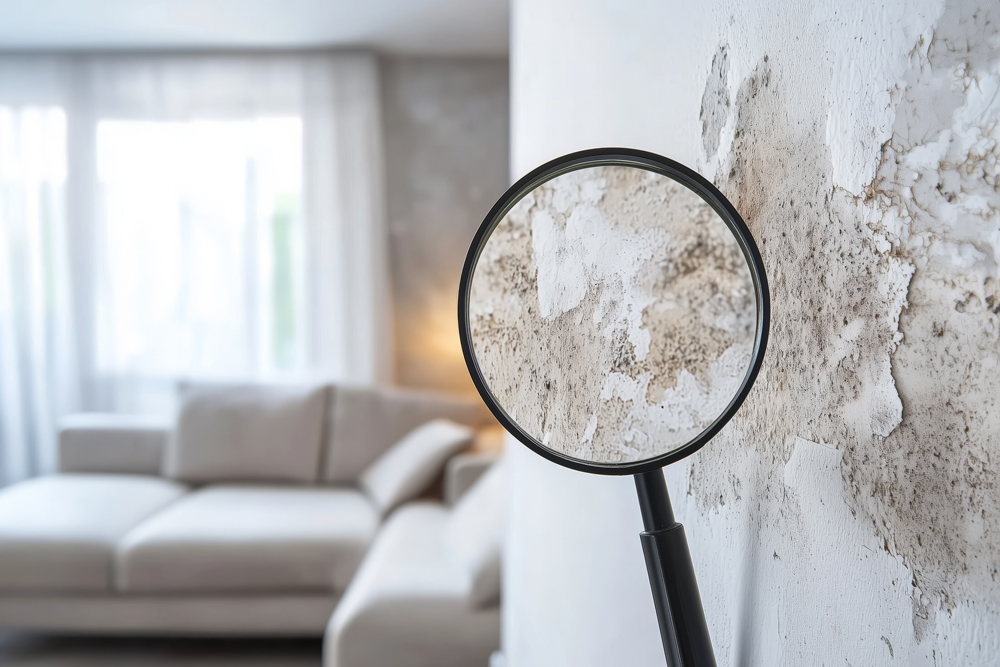
Yes, exhaust fans remove odors, but their primary purpose is to remove humidity and moisture. In bathrooms, excess moisture from showers and baths can lead to:

• Mold and mildew growth

• Peeling paint

• Damaged drywall

• Premature wear on fixtures and finishes

Reality: Exhaust fans maintain healthy humidity and air quality.

Misconception 2: Exhaust fans don’t need to be vented outside.

Some homeowners (and unfortunately even some contractors) believe that venting an exhaust fan into an attic or wall cavity is fine. But what you’re actually doing is dumping warm, humid air into a confined space, where it can condense and cause:

• Mold growth

• Wet insulation

• Wood rot

• Attic structural damage

Moisture doesn’t disappear—it relocates.

Reality: Exhaust fans must be ducted to the exterior, NOT into attics, crawlspaces, or wall cavities.

Misconception 3: Leaving the door open does the same thing.

Leaving the bathroom door open after a shower may help a little, but it doesn’t quickly or effectively remove moisture. Exhaust fans create a controlled, directed airflow that pulls moisture out of the room and out of the house.

Reality: Natural ventilation is not a substitute for mechanical ventilation.

Misconception 4: Bigger fans are always better.

A fan that’s too powerful for a small bathroom can actually cause problems:

• It may create uncomfortable drafts.

• It might pull conditioned air out of the house too quickly.

• It could overload ductwork, leading to noise and reduced efficiency.

Correct sizing is everything. A fan should be appropriately rated based on the room’s square footage and usage.

Reality: Proper sizing matters more than power.

Misconception 5: Exhaust fans only need to run while I’m in the room.

Moisture remains in the air long after the shower is off. Turning the fan off too soon traps humidity in walls and ceilings. A good rule of thumb:

Run the fan for at least 20–30 minutes after showering.

Even better? Install a humidity-sensing fan or a timer switch.

Reality: Exhaust fans need time to do their job completely.

Misconception 6: Exhaust fans don’t need maintenance.

Dust, lint, and debris build up on fan blades and in ductwork, reducing airflow and increasing noise. A clogged fan can’t exhaust moisture efficiently. Simple yearly maintenance (vacuum the grille and fan blades) keeps performance high and noise low.

Reality: Like any mechanical system, fans need periodic cleaning.

Misconception 7: Exhaust fans cost too much to operate.

The energy efficiency of exhaust fans has come a long way. Choosing an ENERGY STAR® certified model ensures that the energy usage is low. Many fans on the market today use between 10 to 40 watts of energy. The national average cost for a kilowatt of electricity is $0.18. Here are some calculated costs:

• Exhaust fan operating 3 hours/day: between $2 - $8 per year

• Exhaust fan operating 24 hours/day: between $16 – $70 per year

When you compare the costs of repairs, mold remediation or other problems caused by not using an exhaust fan, the cost to operate is low.

Reality: The benefits of an exhaust fan far outweigh the cost of energy needed to power them.

Final Thoughts on Misconceptions about Exhaust Fans.

When installed and used correctly, exhaust fans protect your home from moisture damage, improve indoor air quality, and reduce the risk of mold. Yet when misunderstood or neglected, they can contribute to the very problems they’re meant to prevent. If there’s one takeaway, it’s this: Exhaust fans are not just conveniences—they are essential components of a healthy home.

Ensure your fans or being used, use them for the correct amount of time, maintain your fans, check your ducting and make sure they’re vented outdoors—your home will thank you. For more information about Air King’s energy efficient exhaust fan solutions, visit airkinglimited.com

Monday, October 6, 2025

Don’t Fall into Bad Indoor Air Quality


As the trees start to change colors and the leaves fall in many parts of the US, it is important that you don’t allow your home to fall into bad indoor air quality. Many homes across the US have been enjoying having windows open and fresh air coming into the home as well as spending time outside. As cooler weather starts to arrive, those windows close and more time is spent inside rather than outside. While many celebrate the arrival of sweater weather, the indoor air quality of the home might not be considered. The good news is with a few simple considerations, you can turn that bad indoor air quality to good.

Ensure your exhaust fans are in proper working order and are clean.

The changing of seasons can serve as a great reminder to clean your fans. Some simple maintenance can ensure that your exhaust fans operate as expected and extend their life. Make sure to read your specific owner’s manual for proper safety and cleaning procedures. In general, a good washing of the grill and vacuuming out the interior of the fan will do the trick. Having a constant exchange of fresh air into your home is vital for good indoor air quality. As we close and seal up our homes for the winter months, we lose that natural air exchange and the air in our homes becomes stagnant, allowing contaminants such as mold, mildew, germs and more to linger in the air we are breathing. When exhaust fans are working and utilized properly, those contaminates are pushed out of the home.

Check your HVAC air filters.

If you have a central air heating or cooling system, it has an air filter. This should be replaced every 3 to six months depending on usage. If you can’t remember the last time you replaced the filter, or if you are only now realizing that your system has a filter – it’s probably time to change it. Dirty filters will not only contribute to bad indoor air quality, they will diminish the effectiveness of the unit, costing you more money.

Have your HVAC system professionally serviced.

Many homeowners will bypass this to save a few dollars. A good HVAC technician will be able to identify and repair any deficiencies in your unit’s operation. They will check your filter and replace it if needed, they will also ensure the system is working at optimum efficiency. Another benefit of servicing your unit is they will check for any leaks or anything that could be contributing to bad indoor air quality coming from your system.

Add an air filtration system.

For homes that do not have a central HVAC system or for additional air quality to ones that do, adding a portable air filtration unit can be a great option. There are many options on the market today with a wide range of features and costs from something simple like the Lasko FF305 Air Flex to something more advanced like the GermGuardian AC3200 Airsafe+. Our recommendation it to make sure it includes at least a MERV 10 filter. This will filter out most common household contaminates. To learn more about MERV and air filters, click here to read our post Making Sense of What Air Filter to Use.

Monitor and adjust.

While there are products out on the market that will monitor your indoor air quality, we feel the best monitor is you. Does your home feel musty? Does your home have some unpleasant odors? Is everyone in your home getting sick more often? These can all be signs of bad indoor air quality that if you identify them quickly and utilize the points listed above, could have a very simple solution. The longer you let it go, the longer it will take to solve.

The changing of seasons to fall and the beautify landscapes, that brisk air and the return of pumpkin spice (okay, we’ll let you determine if pumpkin spice is a good or bad thing) should be a time of joy and not worrying about indoor air quality. By taking the few steps we outlined above we hope you and your home enjoy a healthy fall and winter. To learn more about indoor air quality, please read through our extensive library of blog posts on the Air King website.

Thursday, September 11, 2025

5 Benefits of Exhaust Fans in Your Home

The benefits of exhaust fans in your home are many. They are one of the simplest yet most effective ways to improve comfort, safety, and air quality inside your home. Whether installed in the bathroom, kitchen, or laundry area, these fans effectively work behind the scenes to remove excess heat, humidity, odors and other contaminates. Here are five key benefits of exhaust fans in your home:

1. Improves Indoor Air Quality

Exhaust fans pull stale, humid and polluted air out of a room and replaces it with fresher air. In kitchens, range hoods help remove smoke, grease, fumes and other contaminates that happen during the cooking process, while in bathrooms, they eliminate odors and moisture. The laundry room can be a forgotten area when it comes to exhaust fans. A laundry room traditionally has many contaminates including heat from the dryer, moisture from wet clothes, and a buildup of chemicals from detergents and other cleaning products that are typically stored there. By improving airflow, exhaust fans reduce airborne irritants that can trigger allergies or breathing issues.

2. Reduces Mold and Mildew Growth

Moisture buildup is a common problem, especially in bathrooms and laundry areas. Without proper ventilation, condensation can lead to mold and mildew, which not only damage walls and ceilings but also pose health risks. Exhaust fans clear out humidity, which reduces the chances of mold and mildew buildup. It is important that the exhaust fan has enough airflow (CFM) for the room size and operates for the proper amount of time. As a guideline, the fan should operate for at least 20 minutes after a shower – longer depending on the amount of moisture generated and the relative humidity in the room. Exhaust fans with a humidity sensor built into the fan or a fan connected to a wall mounted humidity sensor can be an easy way to ensure the proper amount of ventilation is taking place.

3. Protects Your Home’s Structure

Excess moisture doesn’t just encourage mold—it can also weaken paint, wallpaper, wood, and even drywall. If you are experiencing peeling paint or wall paper in your bathroom or laundry room, the culprit might be there is too much moisture and you either need to install an exhaust fan or upgrade the one that is already there. By controlling humidity, an exhaust fan helps protect your home’s finishes and structural integrity, saving you money on costly repairs in the long run.

4. Increases Comfort

There are two main ways an exhaust fan increases comfort in your home. The first is what is known as local ventilation. This is an exhaust fan installed in a bathroom, kitchen or laundry room to remove contaminates when the room is in use. It will make a bathroom more comfortable by removing the excess moisture, odors and heat. In a kitchen it will remove steam, grease and odors. In a laundry room it will remove excess moisture, contaminates and odors (think about when your children throw their sports equipment in there). The second why to increase your home’s comfort is wholehouse ventilation, which is a fan in a central part of the home that runs continuously, ensuring that there is a constant exchange of stale air with fresh air for the entire home. When sized and operating properly, you will experience a home that just fells “fresher”. When used properly, exhaust fan creates a more comfortable space that you actually want to be in.

5. A Healthier Home

Indoor air quality can have a direct effect on the health of the people living in your home. Poorly ventilated homes are more likely to cause illnesses. Whenever mold or mildew is present and it is being breathed in by the occupants of the home, that can lead to all kinds of health items. Doing everything you can to prevent mold and mildew as well as other contaminates in the home is always going to be the best strategy. The common saying: "Treat the cause, not the symptoms" holds very true. In a past blog post we went a little deeper into this subject and looking at what is called Sick Building Syndrome. You can read that post by clicking here.   

Final Thoughts

The benefits of exhaust fans in your home are many. From increasing your indoor air quality to extending the life of your home, exhaust fans play a key role in maintaining a clean, comfortable, and efficient living environment. For more information about Air King’s solutions for bathroom ventilation, laundry room ventilation and kitchen ventilation, visit airkinglimited.com.


Monday, March 3, 2025

Garage Ventilation


Garage ventilation is something that is very easy to overlook but can have a big impact on your home’s overall indoor air quality. Let’s first look at what is happening in a typical garage and what contaminates are being produce. 

Automobiles

The biggest source of contamination in a garage is almost always going to be a car. While a gas-powered car will certainly produce larger amounts of contaminates in the form of carbon monoxide, electric cars also produce contaminates. Automobile contaminates include off gassing from tires, dirt and debris, fluid or oil leaks and so forth.

Storage

For many, the garage is a storage area for everything from a lawn mower to holiday decorations to paint to spare gasoline and the list goes on. Many of these items produce some unwanted contamination into the air.

Trash

A lot of homes store their trash cans in the garage. While the contaminates mostly are smells (that chicken container that has been sitting for three days in a hot garage), some can be a little more aggressive like oily rags, old cleaners, painting supplies and so forth.

Heat

In the summer months garages can get really hot. That heat can stay trapped in the garage and warm the entire home.

Now that we have identified what is happening in the garage, we need to talk about the types of garages. There are basically three different type of garages and all of them have varying ventilation needs.

Attached Garage with a Room Overtop (FROG)

This is a garage that is integrated in the design of the home. Some refer to them as FROG or Front Room Over Garage. Builder’s use this style to maximize space and add square footage. This building type requires the highest amount of garage ventilation. The reason being that contaminates from the garage can penetrate into the living spaces in multiple ways. Depending on the construction and the amount of contaminates building up in the garage, they can seep into the room above the garage through the floor. Hopefully the home was built with barriers in place to prevent this but unfortunately some are not or those barriers fail over time. A second way contaminates can enter the home is through the attached walls. As with the room above the garage, if not properly constructed, contaminates can seep through the walls. The third and most common way that contaminates can enter the home is through the connecting door. This happens each time the door is opened and a person walks into the home. The process is going to allow contaminates to come in with the air or brought in when people enter. Depending on how tight the door is sealed, this could also be a source where the contaminates are seeping into the home.

Standard Attached Garage

A standard attached garage is going to have all of the same possible points of contamination as the FROG just without the room overtop. While this has the potential to produce less infiltration into the home, there is still a need for garage ventilation.

Detached Garage

A detached garage is one that does not have any connection to the home’s main living areas and therefore will not be a direct source of contamination into the home. The contaminates that you need to be concerned with are only when occupying the space – especially if it is used as a workshop or a place that is occupied for extended times.

Now that we have identified the contaminates and the type of garages, why and how do we to ventilate them? Many argue that a garage is typically not as well sealed as the main living areas so there is significantly more natural ventilation than the rest of the home. An additional argument is that opening the garage door provides all the ventilation that you need. Both points are valid however the amount of contaminates that can build up in a garage may not be able to be properly ventilated through these means. Think about when you walk into the garage after it has been closed for a while. Is there a strong scent of gas, rubber, paint, chemicals and so on? Those are all the contaminates that are building up and are possibly seeping into your home (for attached garages) or you are breathing in when you are in the garage.

Having some type of exhaust fan system in place is the best solution for mitigating these contaminates as well as any heat buildup. A solution like the Air King EWF-180 is designed to vent contaminated air directly out of spaces like garages. If you don’t want a fan running continuously, adding a timer is an option. With a timer you can have the fan operating during the times of day where the most contamination buildup is occurring. While opening widows (if present) is helpful, it will not provide the airflow you need for proper garage ventilation. Having windows open in your garage could also be a security risk. To learn more about Air King’s ventilation solutions, visit airkinglimited.com.

Wednesday, February 19, 2025

5 Signs of Poor Ventilation In Your Home


Our homes are our sanctuaries and we want to keep them as healthy as possible so identifying signs of poor ventilation is a great place to start. Ventilation simply put is removing the “bad” air from inside the home and replacing it with fresh air. This can be done in a few different ways. Mechanical ventilation is the most common. This is where an exhaust fan is utilized to exhaust the stale/contaminated air out of the home. Other methods are considered natural ventilation where you rely on opening windows or doors to allow the fresh air to come in and push the stale air out. There are more nuances to these but the basics are either you are controlling the ventilation of the home through an exhaust fan or you are letting nature control it through openings in the home. Now that we have an understanding of ventilation let’s take a look at some of the signs your home is not being properly ventilated.

Mold or Mildew

The easiest place to look for this is in the bathrooms as that is where it will be most prevalent. If your bathroom is not properly ventilated, it won’t take long for the constant presence of moisture to create a mold and mildew issue.  This typically happens for one of 3 reasons:

  1. A bathroom exhaust fan is not present. Without any way of mitigating moisture, it will be very difficult to control moisture build-up. We would highly recommend installing an exhaust fan.
  2. The current exhaust fan is not being used properly or is not working. This could be either it doesn’t get turned on or is not run for a long enough time. For most bathrooms, the fan should run for at least 20 minutes after the shower has been used. A solution for both of these is to install a humidity sensor that will automatically sense the humidity level of the room and turn the fan on or off accordingly. If you are in the market for a new exhaust fan you can look for one that has this feature integrated into the fan. For existing exhaust fans, a wall switch (like the Air King DH55) can easily be added.
  3. The current exhaust fan is not powerful enough for the room. In general, you will need at least 1 CFM (cubic feet per minute) of ventilation for one square foot of space. For instance, a 10-foot by 10-foot bathroom equals 100 square feet, requiring at least 100 CFM of ventilation. The challenge is that just because a fan says it delivers a certain amount of CFM, it might not. Factors such as how the fan was installed, how much ducting and many more factors can decrease the fan’s airflow. The solution might be to upgrade your fan to a higher airflow. If installing a new fan is not an option, running it longer is a work around. You can also consider a humidity switch as was discussed above.

Dust

This seems like a little bit of an odd one. All homes have dust – right? While that is true, let’s take a look at how dust accumulates. In order for dust to build-up it cannot be moving around. It has to settle in one place. If your home is being properly ventilated a good amount of the dust should be exiting the home. It will not be 100% but it should be noticeably less. Having an exhaust fan running continuously can help the build-up. National building codes now require a whole-house continuously running exhaust fan to be installed in a central location of the home. This is a great first step to having a properly ventilated home.

Musty Smell

Does your home smell musty, especially when you come back after being away for a few days. This is a tell-tale sign of poor ventilation. The smell is typically coming from a build-up of moisture somewhere in the home and is usually because fresh air is not getting into the home. As with the other signs, having properly operating exhaust fans – especially a whole house exhaust fan will greatly reduce moisture build-up and the musty smells that it produces.

Sickness

Does it seem like someone is always sick in the household? A contributing factor could be poor indoor air quality. If things like mold and mildew are present in the home and are not mitigated, they will cause a constant state of unhealthy air to be breathed in by all the inhabitants of the home which could lead to sickness. Poor ventilation can also contribute to illnesses being passed from one member of the household to another as well as prolonged illness. Have you heard the term “go out and get some fresh air”? A second best to that is making sure the air inside is fresh. While having a properly ventilated home is not going to protect you from ever being sick, it could greatly increase your health by reducing the factors that lead to you being sick. If you are in a season where it seems like someone is always sick, try looking at your home’s ventilation and make adjustments to increase the amount of ventilation and especially the amount of fresh air coming into the home.

Hot or Cold Rooms

Here is another item that most people would not consider as part of signs of poor ventilation but do you have areas of your home that are either too cold or too hot? While there are multiple factors that could contribute to that – poor insulation, HVAC system issues, poorly installed windows and so forth, a hidden item might be ventilation. How ventilation plays into this is by making sure there is a good airflow through the home. This allows the conditioned air to be properly distributed through throughout the home. Without airflow your HVAC system might be pumping cool air (during the summer month) into the house but without good room to room airflow, some rooms will not be cooled as well as others. A simple way to demonstrate or test this is to go to the room furthest away from your HVAC system on a hot day where the air conditioner is running. Close the door for a little while and see what happens to the temperature of the room. It will probably increase compared to the rest of the home. This happens because the cooler air from the other rooms is not able to be circulated as it needs to be. While in theory each room should be able to be cooled (or heated in the winter) on its own – in reality, it just doesn’t happen that way and the home relies on the air being circulated.

Is your home showing signs of poor ventilation? We hope that this article can help you identify and correct them. Air King offers a full line of ventilation solutions that can help the overall indoor air quality of your home. To learn more about Air King exhaust fans and fresh air intake, visit airkinglimited.com.


Monday, June 3, 2024

Do I Need a Humidity Sensor For My Bathroom Fan


A popular addition to a bathroom exhaust fan is a humidity sensor but what is it, what is its function and do I really need one? These are all great questions to ask. Lets take them one by one.

What is a Humidity Sensor?

A humidity sensor is a device that detects the humidity level of the room or surrounding area. You might hear them called humidistats or even dehumidistats. When is comes specifically to bathroom exhaust fans they are either located inside the actual fan or mounted on the wall. A wall mounted device will give a better indication of the overall room humidity where a sensor integrated into the fan will have a quicker response to a rise in humidity – especially when the shower is in use. When the sensor detects a rise in humidity it will turn the exhaust fan on until the humidity decreases. There are many factors that can contribute to how long that might take including items such as size of the room, how long the shower was on, how hot the water was, ambient temperature and so on.

What is the Function of a Humidity Sensor?

Removing the humid air is a key factor in increasing your home’s indoor air quality. If you allow the humidity level to stay very high (above 50%) items like mold and mildew will start to grow and if not mitigated can cause issues with rot as well as health concerns. If you notice a lot of mildew in your bathroom, paint that is peeling, or a musty smell, you probably have a humidity issue. A sensor is a built in way to monitor the humidity level of your bathroom and adjust accordingly without you needing to constantly be monitoring it. Sensors are able to be set for a wide range of humidity level usually from about 5% to 80% relative humidity. The lower the humidity level is set for, the longer the fan will run. The ability to set the humidity level allows you to adjust to your specific needs and geographic location. More humid climates will need to set the humidity level higher than less humid areas. A quick note. If the fan is continuously running, it might be because the normal humidity level is too high and air conditioning or some type of dehumidifier needs to be added.

Do I Need a Humidity Sensor?

As we stated above, humidity sensors provide an automated way to ensure the humidity level of your bathroom is where it should be. Sadly, the exhaust fans in many homes are not used properly or even turned on at all. It is recommended that the exhaust fan run for at least 20 minutes after the shower is turned off and that is in the best-case scenario. In more humid situations that time might go up to an hour or more. Having a sensor in place takes the guesswork out of determining if the humidity level of the room is where it needs to be. Considering if you need a sensor can be determined by answering the following questions:

Is my exhaust fan being used properly by everyone utilizing the bathroom? Is it being turned on and allowed to run for the set time needed to fully exhaust the humid air out?

Do I notice signs of mildew, mold, peeling paint that tells me I need more ventilation?

Are there any building codes in my area that require it? California CALGreen requires any exhaust fan in a full bathroom must have a humidity sensor.

Do I have a rental property? Having all the bathroom exhaust fans on a humidity sensor in rentals is a great way to ensure the fans are being utilized properly.

What to Do Next

If you are in the middle of a bathroom remodel or are looking to replace an old exhaust fan, this is a great opportunity to upgrade to one that has an integrated humidity sensor. If you already have an exhaust fan installed, adding a wall mounted sensor switch is a fairly easy way to ensure the humidity level of the room. We do caution that while this is a project most do-it-yourselfers can handle, if you have any questions or concerns to consult a license electrician. We also caution to make sure your exhaust fans can be used with a humidity sensor. All Air King exhaust fans are able to be used with a humidity sensor and in general most exhaust fan can be used with one, but there may be other brands that can not. One other item to consider when choosing an exhaust fan that will be used with a sensor is the sound level. Fans with sensors are most likely going to run for longer periods of time. If you have a really loud fan, this could cause a less than ideal situation. One of the main reasons people do not turn on the exhaust fan is due to the sound level. Look for a fan around 1 sone or less. These are very quiet fans and will probably provide a much better experience. 

For more information regarding bathroom exhaust fans as well as fans with integrated humidity sensors such as the BFC90H, visit airkinglimited.com. To learn more about a humidistat view our video on YouTube.


Monday, May 6, 2024


Asking a question like if you need fresh air can sound a bit foolish as life would be a little hard to live without it. It is also an open-ended question. When we ask if you need fresh air, we are referring to your home. Does your home feel “stuffy”, have odors, mildew or other things growing other than the house plants? If so, it might be because you don’t have a good influx of fresh air.

Fresh air is a vital part of the indoor air quality of homes and can have a direct impact on the heath of the inhabitants. Let’s start by looking at what fresh air is and why you need it. When it comes to indoor air quality of a home, we are going to define fresh air as outside air (filtered or not) that is brought into the home to dilute and replace the stagnant and contaminated air inside. The home is full of contaminates that are produced from daily living. Just breathing inside of a home is going to produce contaminates. Add to that cooking, laundry, cleaning and we can see how the need grows quickly and we haven’t even mentioned if there is someone who is sick inside the home.

Most people would agree that the list of contaminates above are not good to have lingering in the air inside the home for everyone to be breathing in. The next question is what do we do about it? How fresh air is brought into the home will be dependent on many factors. Here are a few:

The age of the home.

Newer homes are being built to more stringent codes that make them more energy efficient. This is a good thing but is also diminishes the amount of natural air coming into the home. That means that you will probably need to have some type of mechanical solution like a fan that brings air in that also works with exhaust fans to take the stale air out. Older homes will have more natural fresh air coming into the home (that is a fancy way of saying drafts).

The climate.

Living in a mild climate means you can have window and doors open more often, allowing air to come in. For homes located in more extreme climates, either cold or hot, natural fresh air might not be as much of an option. Think Arizona in the summer or Minnesota in the winter. In these locations a mechanical solution is almost a must.

Location of the home.

If the home is located where the outdoor air quality is high, then bringing air into the home can be done without any filtration. If the home is located in areas such as cities, high car traffic areas or areas prone to wildfires producing smoke and so forth, having a fresh air solution that also includes some type of air filtration is going to provide the best option. It is possible that in extreme conditions you could actually be bringing in worst air than what is already inside the home. Statistic show that the air inside many homes can be up to 5 times more polluted than outside air, so even in more urban setting and with all the outside contaminates, it will still be beneficial to bring fresh air in.

Air King offers multiple fresh air intake fans that can be sized for most residential applications with models that include the ability to add air filtration, settings for humidity as well as temperature and more. To learn more about these visit the Fresh Air section on the Air King website at airkinglimited.com. To learn more about indoor air quality, make sure to read through our resource of blogs on the topic.

Monday, February 5, 2024

Anatomy of Kitchen Range Hoods


Kitchen Range Hoods are a critical component in maintaining the indoor air quality of our homes. The kitchen is one of the leading sources of contaminates in our homes and utilizing a range hood decreases these contaminates and makes our homes healthier to live in. So how do kitchen range hoods work?

Having an understanding of how range hoods work and what they are providing is an important component to making sure they are utilized correctly. Range hoods have a two-function purpose. The first is to provide protection to the cabinets above the cooking area. Almost all cabinets are made out of wood so to protect them if there is a flare up on the cooktop is important. Over the years range hoods have greatly advanced to more than just basic protection. They have become part of an indoor air quality solution. The basic principle of kitchen range hood is to take the “bad” air being generated during the cooking process and move it (exhaust it) out or filter it.

There are two types of methods a range hood uses to better the indoor air quality. The first is to utilize an odor filter and recirculate the air back into the room. This type of range hood does not require ducting. While this will provide some improvement to the indoor air quality of the kitchen, they really are not very effective as the filters used only catch a small percentage of the contaminates you really want to remove from the living space. This type falls into the “better than nothing” category. A much better way is to have the air exhaust to the outside. These hoods still have some type of grease filter that prevents grease from building up on the hood’s motor/blower as well as in the ducting. The big benefit is all of the contaminates the hood captures will be exhausted to the outdoors and away from the living area. 

Most kitchen range hoods also have some type of lighting feature to them. These might be LED, incandescent or even halogen. When looking for a range hood, take note of the light both from an efficiency standpoint as well as the location. Generally a hood with the light at the front will provide better overall coverage of the cooking surface.

The next part of the range hoods is the duct collar for hoods that are being exhausted to the outdoors. Hoods that are recirculating the air back into the kitchen typically have an exhaust vent build into the hood itself. Hoods that are exhausting to the outdoors will have some type of duct collar either built into the hood or one that attaches to the hood. Common sizes for these collars are 3.25” x 10” or round. Round duct collars range from 5” to 10” and larger. Many of the duct collars are going to also incorporate a backdraft damper that prevents or at least lessens the amount of air coming back into the home through the ducting. A quick note – if you feel drafts coming from your range hood, you might want to upgrade your backdraft damper. Air travels through the ducting from the range hood to either a wall cap or a roof cap. While these components are not necessarily part of the fan, they are integral components that are required. Wall and roof caps vary in function, features and costs. Two common features are bird screens that prevent birds from building nests in the ducting (yes, it does happen and it is more common than you think) and backdraft dampers. Backdraft dampers on the wall or roof cap provide an extra layer in addition to the one on the range hood to prevent backdrafts.

These are the main components of kitchen range hoods. In addition some fans will have extra features like continuous operation, thermostats that turn the unit on or off and more. For more information of the range hoods available through Air King visit airkinglimited.com

Tuesday, January 2, 2024

Anatomy of Exhaust Fans


Exhaust fans play a pivotal roll in maintaining the indoor air quality of our homes. Utilizing them decreases contaminates, reduces moisture and makes our homes healthier to live in. So how do exhaust fans work?

Having an understanding of how exhaust fans or as they are sometimes called – bath fans work is an important component to making sure they are utilized correctly. The basic principle of an exhaust fan is to take the “bad” air inside your living space and move it (exhaust it) out. That air is then replaced with fresh air. It is a fairly simple concept.

The exhaust fan’s main component is a blower of some type. Lower end units will utilize a fan blade that looks similar to a typical portable fan. Higher end units will utilize a blower wheel or as some people refer to it, a squirrel cage. Blower wheels generally are able to produce more ventilation at a quieter sound level. In either case the wheel or blades turn and generate airflow that is directed through the fan’s duct collar.

The next part of the exhaust fan is the duct collar. Exhaust fans must be ducted to the outdoors and run through ducting in the home to either a wall cap or a roof cap. While these components are not necessarily part of the fan, they are integral components that are required. The duct collar of the fan is connected to the ducting from the home. Ducting can range from 3 inches to 6 inches in typical residential homes. More and more new construction is moving to 6 inch ducting as it provides better airflow with less resistance. It is important to match the ducting size to the size of the exhaust fan. For instance if you have 4 inch ducting but have a 6 inch ducted exhaust fan you will need to reduce the ducting down to fit. This will make the fan work harder, reduce the airflow and increase the sound level.

A second part of the duct collar is the backdraft damper. This is a flap that closes to prevent drafts from coming back into the home. Backdraft dampers are usually either gravity closing or spring loaded. The way they work is when the fan is operating and blowing air out of the collar the force of the air opens the damper. Once the unit is shut off the damper will either “fall” down on gravity type dampers or close with spring-loaded dampers, sealing off the ducting.

The next component of an exhaust fan is the housing. The housing holds everything together and is what is installed into the ceiling. Housings come in many different sizes and are installed in different ways. Common installations include hanger bars that slide into a channel on the housing and then extend out to connect to the ceiling joists. A second mounting type is mounting tabs. These are tabs on the housing that install directly to the ceiling joist. Other mounting types are ones such as with the Air King BFQ series that have a snap-in bracket.

So far all the components we discussed are ones you won’t see once the fan is installed. The one that you will see is the grill. Like housings, grills come in all different sizes and shapes. The grill has a few functions. First is to cover up and protect all the inter workings of the fan. Second is to be aesthetically pleasing - no one wants an ugly hole in their ceiling. Lastly the grill provides a balance of décor and function as it needs to be able to allow enough air to come into the fan without restricting that air.

These are the main components of an exhaust fan. In addition some fans will have extra features like a light, heater function, humidity sensor, motion sensor and more. For more information about the exhaust fans available through Air King visit airkinglimited.com.

Friday, December 1, 2023

5 Ways to Improve Your Holiday Indoor Air Quality


With the holiday season upon us, family and friends will be gathering to celebrate in homes across the country. Just at the mention of the holidays might evoke smells of cookies, pine trees, the roast cooking and so many others. These are all wonderful things that make our homes welcoming to our guests. The question however is what are we doing to ensure the holiday indoor air quality of our homes? Here are 5 common things we do around the holidays that affect the indoor air quality of our homes and what we can do to improve them.

Cooking and Baking

Nothing says the holidays more than the smells coming form the kitchen. Whether it is Christmas cookies baking, a big pot roast, or other holiday favorites. You might be getting hungry just reading about it. The challenge to IAQ is when these items are cooking they are also releasing contaminates into the air in the form of smoke, moisture, carcinogens and more. Yes, we know – way to ruin the holidays by talking about this. Before we panic and serve carrot sticks instead of cookies, there is a solution – ventilation. Making sure the kitchen range hood is operating and venting to the outdoors while cooking will alleviate most of these contaminates. If your range hood does not currently vent to the outdoors, consider replacing it with one that does. If venting to the outdoors is not an option consider utilizing an air purifier.

Lighting Candles

Candles have become a holiday tradition across the country. The smell of pumpkin spice, apple spice, holiday spice and the other endless scents waffling through the air turn our homes into a delight for the senses. We even use candles for holiday traditions and ceremonies. The issue is that when we light a candle we basically have an open fire inside our home and no place for the smoke to go so we end up breathing it in. Air King has a whole blog post dedicated to candles and IAQ that you can read here. The solution is to have a ventilation strategy when using candles. That could be utilizing the exhaust fan in the bathroom, having general ventilation in other areas of the home and so forth.

Hosting Parties

Tis the season for homes full of friends and family. It warms the heart just thinking about it. However, we already have the food cooking in the kitchen causing contaminates. We have lit candles around the home to fill it with the smells of the holidays but creating smoke and now we have a home full of people who are breathing which fills the room with CO2 as well as any other contaminates they are breathing out (we really do know how to ruin the fun of the holidays). As with cooking and candles, the solution is ventilation and fresh air. As the home fills up and the room temperature rises, many of us will open a window or door to cool off. This is a fantastic idea as it allows fresh air in and pushes the stale, contaminated air out. The issue is we typically need a little more. Having a centralized exhaust fan operating or the range hood operating even if nothing is cooking can dramatically increase the indoor air quality. An HVAC expert can help you identify how you can more effectively ventilate your home and ensure you have the right balance of fresh air coming in while ventilating out the bad.

Crafts

You can’t have the holidays without decorations. For a lot of people that means breaking out the craft kits gluing, painting and so forth. What a lot of us miss is that if you look at most of the craft kits, paint and glue – it says right on the bottles “use in a well ventilated area”. Unfortunately in most homes, the living room, dinning room or craft room is not a well-ventilated area. Something simple like doing the craft on the kitchen table or counter with the range hood running can have a positive impact. Another thing to remember is that many paints continue to produce air contaminates as they dry so once the project is done, moving them outside the home to a garage or storage space is very helpful. 

Cleaning

A holiday tradition that no one likes is the cleaning. You have a full guest list coming but the house is a mess (from all the cooking) so it needs to be cleaned. If you have read this far, you know something bad is coming. Here it is. Using cleaners can have a real negative effect on IAQ. Cleaners can be really nasty – bleach, ammonium, and so forth produce a ton of contaminates that fill the air we breathe. They are very effective in killing the bacteria and germs but it is at the expense of the IAQ of the home. That is why it is crucial that exhaust fans are utilized when the cleaning is happening. When the bathroom and powder room is being cleaned, make absolutely sure the exhaust fan is turned on and stays on until the smell of the cleaners is gone. When cleaning the kitchen, turn the range hood on. If you are able to open windows, do so.

With a little thought and some simple steps including a plan for ventilation and fresh air, you can drastically improve the holiday indoor air quality of your home, truly making it an inviting place to gather.

For more information about Air King’s exhaust fans, fresh air solutions, and range hoods utilize the links at the top of this page. Also make sure to visit Lasko’s page for a full line of air purifiers.

Monday, November 6, 2023

A Tight Home Versus Proper Ventilation


When you think of age-old rivalries or battles your mind might go to sports teams or one state versus another but it probably doesn’t go to tight home versus proper ventilation one. That’s understandable, but in the building world it is one that is gaining traction. Let's first look at each side of the battle and get a working knowledge of them.

A Tight Home

A tight home refers to how well the exterior envelope of the home is resistant to air penetration. The tighter the home, the less air it lets in or out. Most people refer to air penetration as “drafts”. In some homes you can feel the cold air in the wintertime seeping into the home. That would not be a tight house. Building technology has come a long way and with the advent of spray foam, house wraps and so forth homes are a lot tighter than they used to be. The reason a tight house is beneficial is that it will hold the warm air inside during the winter and the cool air inside during the summer. This has a direct impact by reducing the heating and cooling costs. Seems like a simple solution and we can end the article here. Well there are some downsides to a tight home. We’ll get to them a little later.

Proper Ventilation

Proper ventilation contributes to the overall indoor air quality of your home. In simple terms it is taking the bad air and contaminates out of the home and replacing it with fresh and/or filtered air. This is accomplished using items like exhaust fans, kitchen range hoods and a fresh air supply unit. So what’s the problem and how is this a battle with a tight home?

The Battle

The battle comes in that homes are being built to do everything they can to not allow air to enter or leave the home. Exhaust fans and fresh air intake are meant to do exactly that. On the tight home side of things, the argument is that you are taking conditioned air and exhausting it out. The same with bringing air into the home, causing extra stress on the HVAC system. This is a valid point, however we need to examine it a bit closer. 

Studies have found that the air inside a home can be up to 5 times more polluted than outside air. How does it get so polluted? Our normal living produces a lot of contaminants. Just think of your typical day. You wake up and take a shower. The shower produces moisture that if left unresolved can turn into mildew or mold. Then you go to the kitchen for breakfast and your morning coffee. Guess what cooking and making coffee does – yep, produces contaminates. Oh and by the way, unless you are holding your breath during all this, breathing produces CO2 that can build up in your home. We are barely alive and haven’t even gotten out of our pajamas (might be a slight exaggeration). Add in pets, cleaners, candles and a hundred more things and you can see how the air can become so polluted.

The solution

So we don’t want to exhaust conditioned air out or bring unconditioned air in, but we also need to get all the bad things out of the house. So what do we do? Here is where we try to make sense of everything. The energy efficiency side is always going to argue for less and the indoor air quality side is always going to argue for more. What we need to strive for is a balance. For most homes, as little as 30 to 50 CFM of exhaust during normal activity is all that is needed. When a shower or the cooktop is in use – a bit more is needed. The key to all of this is that when you utilize mechanical solutions (exhaust fans and air intake units) you are in control. You determine how much, when and where the air comes in or leaves. So instead of annoying drafts, you can direct the air how you want it.

Another way to counteract the energy usage is to utilize energy efficient exhaust fans and air intake units. There are a plenty of models currently on the market that will meet the air movement needed and fit within the budget.

Hopefully this gives you a better understanding of the balance between good indoor air quality and energy efficiency. So the next time you are tempted to not utilize your exhaust fans because you’re worried about “wasting” energy, remember that your indoor air quality is also very important.

For more information about indoor air quality please read through the many blog post Air King has created over the years. For more information about exhaust fans, range hoods or fresh air intake, visit airkiinglimiited.com


Friday, June 2, 2023

What is Air Exchanges Per Hour?


When talking about ventilation the term Air Exchanges Per Hour is probably going to come up, but what is it? The simple answer if how many times the air inside your home is replaced by either outside or filtered air per hour. Think of it this way – if you have a glass full of water and you pour it all out, then fill it back up with water you have exchanged the water in the glass one time. The same holds true with air but it is a little more difficult to see.

How is the air exchanged?

Air exchanges take place in one of three main ways.
Exhaust Fans: Exhaust fans are one of the most effective ways to exchange the air in your home. They take the stale indoor air and exhaust it to the outdoors allowing fresh air to replace it. National building codes now require a continuously running fan to be installed in all homes for this very reason.

HVAC system: Your HVAC system also helps provide air exchanges but there are some challenges with using this as the only method. The biggest one is that the system has to be running in order to provide air exchanges. You can set your system to just run the fan, but this is a very inefficient way to exchange air in your home. Another challenge is for this to be effective, the system needs to be drawing fresh air into the home or have filters installed that will take out the “bad” stuff. A good amount of HVAC systems do not draw fresh air in – you can check with your technician. As for the filters, most systems utilize a MERV 6 or MERV 8 filter. These are good for capturing dust and larger particles but when it comes to the stuff we are really trying to remove, they are not as effective. It is recommended that a MERV 13 or above be used, but not all HVAC systems can handle that (see our blog on Filters).

Natural exchange: It sounds so nice – Natural, but there are also some issues with this method. Most of the time this means opening a window or door and letting the air come in. If you have a nice breeze blowing on a moderate temperature day with good outdoor air quality (low pollen, smog, etc.) this is a good way to exchange the air. The big issue is you can’t control how much air is coming in or what is in the air. A second and significant issue it temperature, think Texas in the summer or Minnesota in the winter. Opening doors and windows probably is not an option.

Why are air exchanges important?

A key component to Indoor Air Quality is air exchanges. When we are not properly exchanging the air we allow all kings of contaminates to linger in the air. Think of a smoky bar room. Without any ventilation or air exchanges the smoke just lingers in the air. While hopefully our homes are not full of smoke, they are full of contaminates in the air caused by breathing, cooking, pets, and just general everyday living. Having a plan to continually remove these contaminates is key to better living. 

How many air exchanges per hour should take place?

This is where we come to the great debate. Home many air exchanges are needed, what is too little, what is too much. There is always a balance and as we learn more about our indoor air quality the numbers can change. As of this posting ASHRAE, who sets most of the building standards when it comes to indoor air quality recommends that a minimum of 0.35 air exchanges per hour occur in your home. Other organizations recommend up to 5 per hour. Our thought is that 5 per hour might be a bit extreme and will definitely have a negative effect on the efficiency of the home in that you have to condition all that air coming in to replace the air going out. With that being said, lets examine what 0.35 exchanges per hour looks like. For a 1,000 square foot home with 8-foot ceilings you have 8,000 cubic feet of space. Divide 8,000 by 60 (minutes) to get 133. Now times 133 by 0.35 to get 46.67. This is the amount of CFM you would need to provide the recommended air exchanges per hour. ASHRAE also provides a calculator that is a bit more involved to determine how much continuous ventilation your home needs. You can access the calculator on the Air King site by clicking here.

For more information about the indoor air quality of your home and how you can improve it, please read through the many articles we have written over the years. For information regarding Air King exhaust fan and fresh air intake solutions visit airkinglimited.com.
 

Monday, April 3, 2023


When you walk into a room, office, business or a home do you ever stop and think – is the indoor air safe here. Four years ago our guess is that maybe one in a thousand people would ask that question. Now it might be one out of ten or more. The fact that more people are asking that question is a good thing to our overall health and well-being, the challenge is how do we tell if it is safe or not?

To answer that question we have to look at it a few different ways. There is a scientific method that tests the air for contaminates. Some of these can be fairly low tech/low cost, while others cost a significant amount. One that has gained a lot of popularity is a CO2 monitor. As it’s name suggests, it tells you the level of CO2 in the space at any given time. The lower cost ones just tell you the amount of CO2 at the time of the reading, more expensive ones can actually take multiple reading over the course of time so you can track it and get an average. Why is CO2 important? Since CO2 is what we exhale a monitor can tell us if proper ventilation or a stream of fresh air is coming into the space to dilute the air. This in theory would also give us an indication if other contaminates or viruses are hanging around in the air. For instance: if you are in a room with 20 other people and you get a CO2 reading of say 1000, you know that the room is not ventilated very well and all kinds of “bad” things could be lingering in the air. Now open a window or turn on a ventilation fan and you should see that number drop significantly. The theory being if the CO2 is leaving the room or being diluted so will all those “bad” things as well.

Now we know that most people are not going to walk around taking CO2 readings, especially if you were invited as dinner guests. Talk about awkward. So what are other indicators of poor indoor air quality? Here are a few things to look for or be aware of:

  1. What is the size of the room and how many people are in the room – does it feel like you are packed in like sardines?
  2. Are there lingering odors (good or bad)? If so, this indicates that the room may not have a good flow of air.
  3. Do you see any type of air filtration system or an air purifier in the room? Some of these are easy to see, others are a little more difficult as they might be working behind the scenes like a ventilation fan or fresh air intake system.
  4. Are there windows in the room and are they open? Better yet, is there a window fan in them?

Our hope is this gives you a few simple points to help answer the question – is the indoor air safe in the place I am entering. There are a host of other things like asking about the HVAC air filters, what the air exchange rate for the builder is, what is the fresh air mixture for the HVAC and so on. These require a bit more involvement and can not be answered by simply walking into a location and looking around.

While we might not be able to identify a 100% safe location, we can utilize these tips to help reduce risk. The common theme in all of this is that the more ventilation, filtration and fresh air coming into a location, the better. Stagnant, poorly ventilated areas are going to be the highest risk.

For more information about indoor air quality read our other blog posts. For information regarding Air King exhaust fan and fresh air intake solutions visit airkinglimited.com.

Wednesday, March 1, 2023

Making Sense of What Air Filter to Use


You hear terms like MERV, HEPA and more when it comes to air filters but what do they all mean? It can get a bit confusing. In this post we hope to clear up some of the confusion out there and guide you to what air filter is best in some of the more common locations.

First let's look at the types of filters. The two most common are HEPA, which stands for High-Efficiency Particle Air filter. Sounds fancy. Basically a HEPA filter is the top of the line. It is going to capture the most particles and the “bad” things in the air. Next is MERV, which stands for Minimum Efficiency Reporting Values. MERV filters will also have a number after them like 8, 11, 13, 16 and so on. The number is the key component, as this will tell you how effective the air filter is in capturing particles. The higher the number the more it will capture.

At first glance most people would say it is an easy decision to just use the best, highest rated filter for everything. Unfortunately it isn’t that easy. Air filters are a balance of working efficiently and capturing contaminates. What happens is that the higher the efficiency of the air filter, the more restrictive the airflow through the filter.

That brings us to the main point of this post – what air filter to use. This is a little bit of a trick question. The answer is it depends on the situation. Let's take a look at the more common areas of the home that benefit from air filters.

HVAC System: This is a key component of the home and one you definitely want to get the air filters correct in. The HVAC system is going to provide air to the entire home so it makes sense that we want it to be the best it can be. As we stated earlier the temptation is to utilize HEPA filters then sit back and enjoy all that high quality air floating through the home. Sounds great but most current HVAC systems cannot handle HEPA filters. The filters constrict the airflow and can actually cause damage to the system or reduce the life of the system. We are hopeful that as technology advances so will the filtration systems. So what do we do? Enter in MERV. Most systems can handle up to a MERV 11 filter. While not a HEPA filter it still provides high quality filtration and will remove items like Pollen, Mold, Dust, Pet Dander, and Debris. What are missing from this list are items such as viruses, bacteria and allergens. To filter these out you need to move up to a MERV 13 or higher. You should always consult your HVAC professional to see what the highest rated filter your systems can handle is.

Portable Air Filtering Devises: If the HVAC system is unable to remove some of the more hazardous items or you don’t have a central system, we need to turn to other methods. Room level units are a good alternative. Here is where we go for the gold and you should look for a unit that is using a HEPA filter. There are a lot of these units on the market and they have varied effectiveness. You will also see units with added items like UV, IONs and so forth. The jury is still out a bit on the added technology so our recommendation is to focus on the HEPA air filter aspect of the unit. The downside to these units is they typically can only filter small areas (might need one for each room you use) and the filters can get a bit expensive to replace.

Air Intake Units: Many home, especially newer homes are required to have what is referred to as a fresh air intake system. This is typically a fan that brings outdoor air into the home to replace the air being exhausted out the home. While in most cases an air filter is not mandatory, it can make a very positive impact if it is used. This is also a case where your specific situation will dictate what filter should be used. We have already talked about a HEPA filter but here again we are faced with a HEPA filter restricting the airflow to a point where it may render the unit ineffective. That leads to using a MERV filter, but which one? In general outdoor air can be up to 5 times less polluted than indoor air. This is important because it means the air coming in doesn’t necessarily need to be filtered as much as the air inside the home. One big thing is generally you will not be bringing in viruses from the outdoor air. Most times you only need to be concerned with items like pollen, dust, particles and so forth. A MERV 11 or higher will be fine for that. Now if you live in an area that has high levels of pollution like in or close to a large city or in areas of the country that have wildfires, you might want to consider a MERV 16. MERV 16 filters are able to remove items like smoke, smog and even viruses.

So how do we bring this all together? At the root of this is improving indoor air quality. To do this takes a group effort. Just having good filters in your HVAC system won’t be enough just like having only a portable air filter won’t do it either. Developing a strategy is key. Having a proper ventilation system (bad air out) while bringing in filtered outdoor air will greatly improve the indoor air quality. Now add the highest rated filters you can to your HVAC system as well as a portable air filter and you’re onto something. Air King has developed what we refer to as the Total Home Ventilation system that utilizes air intake and exhaust to create a better living environment. To learn more about the system click here. Also make sure to view portable solutions from our Germ Guardian division.

For more information about the indoor air quality of your home and how you can improve it, please read through the many articles we have written over the years. For information regarding Air King exhaust fan and fresh air intake solutions visit airkinglimited.com.

Wednesday, February 1, 2023


A lot has been made recently about gas stoves and indoor air quality. Claims are being made that gas stoves can cause health issues and should be banned. Not surprisingly this has create a divide with one side saying absolutely and the other with a no way no how.

One of the key issues at the heart of this debate is that gas stoves produce contaminates during the cooking process including nitrogen dioxide as well as PM2.5 (particulate matter). This is true – contaminates are produced. Now we are not doctors so we are not going to get into the debate of exactly what that means from a health standpoint. We will say this, allowing contaminates to permeate your home is never a good thing no matter what that contaminate is.

Here is where we try and take the middle ground of the two sides of this debate. We agree that gas stoves reduce the indoor air quality of the home, but cooking on electric stoves also produces contaminates (maybe not as many but contaminates are still produced). We also understand that gas stoves are the preferred method of cooking for many people. Our solution – ventilation. We realize your first reaction might be “of course, you’re a ventilation company”. Yes it is true we are a ventilation company but let's look at what is happening during the cooking process.

Our first question is would you set a fire pit in the middle of your living room? Crazy – right, the room would be filled with smoke within a matter of seconds causing you to have to evacuate the house immediately. When a gas stove is used, we are in essence doing the same thing. Now the big difference is that a gas stove is a cleaner burning energy compared to wood so there isn’t the immediate build-up of smoke but the contaminates are still being generated. What needs to happen is for those contaminates to be exhausted out of the house. This is where a properly sized and functioning range hood comes in. Simple – bad air with bad things out, good air in.

The next question we pose is if there is a properly sized and functioning range hood that exhausts to the outside over a gas stove, won’t that greatly reduce contaminate build-up in the home? Even in some of the “shocking” studies that are floating around currently, they agree that ventilation is a key way to improve the indoor air quality.

As we stated earlier, we are a ventilation company so we hope you didn’t expect to get through this entire post without us stating we have the perfect solution? Well we do. Air King produces a wide selection of range hood solutions but here is where we get into the “perfect” solution. Of utmost importance is that the range hood vents to the outside, otherwise it is just recirculating most of those contaminates right back into the home. Second is that the range hood is turned on every time the stove is used – even when baking. A big complaint is always the sound level of range hoods. Don’t worry we have that covered and are almost at that perfect solution we talked about. Third is that the range hood stays on long enough to clear any residual contaminates out that might be hanging around after the cooking is done. Now take any range hood (Air King or others) and you can solve for most of these as many range hoods have the ability to vent to the outdoors, some are on the quieter side and if you keep them on, they will clear the residuals. But we are not satisfied with “good”, we want perfect. Enter in the ECQ and LE series from Air King. Here is what makes them perfect. They vent to the outdoors and they operate at very low sound levels. On low speed they are about the sound your refrigerator makes. Even when you need the full power on high speed they are considerably quieter than other hoods. The “perfect” part is these series have a continuous speed that as named runs constantly. Why is that important? This allows the hood to take care of any residual contaminates that are hanging around as well as if there are any slight leaks from a gas stove. The best part is the sound is barely audible at <0.3 sones (what is a sone – click here). These series are ENERGY STAR® certified and also solve for ASHRAE 62.2 which is an indoor air quality code regarding ventilation of homes.

To bring this all to a close, we fully understand that the debate of gas stoves and indoor air quality will probably rage on for a while. Our request/hope is that we look at all the factors involved before we make wide spread decisions based on some knowledge but perhaps not all the knowledge. Main point, vent your range hood and turn it ON!

For more information about the indoor air quality of your home and how you can improve it, please read through the many articles we have written over the years. For information regarding Air King Range Hood solutions click visit airkinglimited.com.

Thursday, October 6, 2022

When is the Cooking Done?

You just finished making your favorite meal for the family and you are about to sit down to enjoy it, but is the cooking done? The first thing you might ask is, do you mean is the meat done or are the vegetables fully cooked? Those are good questions to ask but we are asking if the cooking process is done from a ventilation standpoint.

A mistake a lot of us make is that we immediately turn off the ventilation system as soon as the food comes off the cooktop. The problem with that is the pots and pans we have been using are still emitting contaminates into the air. Think about it, let's say you are sautéing vegetables in a pan. During the cooking process they are emitting items like grease, steam, carcinogens and so forth. All of those items are also gathering in the pan itself. Now you transfer the food to a plate and are done – right? Not really, the pan is still hot and still emitting those items. Sometimes it is really easy to see this playing out as steam or smoke is still coming off the pan even after we have taken everything out. Even the cooking surface it still going to be sending off contaminates as it is still at a high temperature.

Some will depend on what type of cooking you are doing but in general you want to keep your range hood running for 10 to 15 minutes after the cooktop has been turned off. This will give ample time for all of the contaminated generated during the cooking process to be ventilated out. It will also provide enough time for the pots/pans and cooking surface to cool to a point they are no longer producing contaminates.

So why do so many of us turn the range hood off immediately after the active cooking is completed? Our guess is it comes down to one main reason – sound. We get it. Most of the range hoods out there are just plain loud. Here is where we have some suggestions. First, if you are in the market to replace your range hood or are thinking about a kitchen remodel, there are a lot of quiet options when it comes to range hoods. Air King has models that are almost as quiet as your refrigerator.

If a replacement is not in the immediate future, look to use the speed control of your range hood. Almost all range hoods have at least two speeds. During the active cooking process you’ll probably want to use a high setting to effectively clear out as much of the contaminates as possible. Once the active cooking is done, there are less contaminates being released so you can go down to a lower/quieter speed while still effectively ventilating. For the ultimate in kitchen ventilation, Air King offers continuously operating range hoods that operate at an almost silent sound level then have higher settings to effectively clear the air. You can learn more about them here.

A second reason some might be quick to turn the range hood off is energy usage. If the range hood is running, it is using electricity. This is true but once again, we have some answers for that. In general range hoods are fairly efficient as far as appliances go. The good news is that there are many models on the market today that are ENERGY STAR® certified and use a significantly less amount of energy than a traditional range hood, in some case up to 30% less. The lighting can also make a measurable difference. An ENERGY STAR certified range hood is going to use LED lighting, which is usually not more than 11 watts. A traditional hood might use up to 100 watts or more. Now here’s more good news. Even in a traditional hood, changing the lighting to LED is a simple process that can reap immediate benefits without a full kitchen remodel. While the ventilation should run for additional time, the lighting does not need to. You can turn the lighting off at anytime you want, it will not affect the exhaust function of the range hood.

So we come back to the question of when is the cooking done? Our goal of this post it to get you thinking about all the factors that go into ensuring good indoor air quality within your living space as well as getting you to look a little deeper into how you utilize the tools you have.

For more information about Air King’s line of quiet and efficient range hoods, visit airkinglimited.com. Also check out our other posts about continuous operating range hoods and the benefits of range hoods.

Monday, August 1, 2022

Is Your Home Clean?

Seems like a simple question – Is your home clean? Many of us would say yes, for the most part it is clean. There might be a loose sock or two lying around and the kids might have just dragged some grass or dirt in, but its not like there is an inch of mud on the floors. Asking if your home is clean is a bit of a loaded question because the answer always NO. Now we are not here to judge your house but we are here to help you understand what factors make it not clean. Notice we are not saying dirty. While dirt does contribute to the uncleanliness of a house, it is not the only factor.

When we refer to a clean house we are looking at things you can see as well as things you can’t. Some are easier than other. For instance when your white rugs look closer to brown than white, they are not clean. If there is dirt and dust all over, it is easy to see that the home is not clean. Where it gets tricky is when you are dealing with unseen or very hard to see contaminates. These would include things floating around in the air like viruses, particulate matter and so forth. Even something like dust is actually hard to see until it piles up on surfaces.

There are numerous items that cause our homes to not be clean. Just daily living in your home is going to cause it to not be clean. Add in pets, kids, guests and so forth and the battle to keep it clean increases exponentially. Here is where we can go one of three ways. First is to ball up in a fetal position and tell yourself you're doomed. We don’t recommend that. Second is to try and clean everything constantly, hose off the dog and kids every time they come in from outside and basically drive yourself crazy. Again, not what we recommend. Third is to create a strategy to minimize contaminates and increase your indoor air quality. How do you do this?

  1. Look at your home and what activities are causing contaminates. As we have spoken about at length in other blog posts, cooking is one of the top contributors to contaminates in the home. If you are finding grease or other build-up on or around the cooktop that is an indication that you haven’t been using the range hood, don’t have one, or need a better one that vents to the outdoors.
  2. Are you using your bathroom exhaust fans? Exhausting contaminates including moister decreases the possibility of mold and mildew from forming. They also help to remove any off-gassing from things like cleaners.
  3. Do you make everyone take off their shoes when they come into the house so they don’t drag dirt in? Do you brush the dog regularly to decrease the amount of hair floating around (large dog owners we understand, this can be a full time job with a shedding dog in the summer months – do your best).
  4. Do you burn candles? They can be a major contributor to poor indoor air quality. You can read more about that here.
  5. Do you have a regular cleaning routine. We talked about obsessive cleaning and it being a bit unrealistic, but that doesn’t mean it shouldn’t be part of a regular routine. When using cleaners look for ones with low VOC’s and utilize the exhaust fans of the home (bathroom fans as well as kitchen range hoods) to exhaust any of the cleaning chemicals that are released into the air during the process. On good air quality days, opening a window is also a good option.

So we come back to the first question – Is your home clean? The answer is always going to be no, but hopefully we have given you some things to consider and look for to increase the cleanliness of your home which will have a positive effect on the overall indoor air quality of your home.

For information about exhaust fans, range hoods and fresh air solutions visit www.airkinglimited.com

Friday, May 6, 2022

Clean Air In Buildings Challenge

The US Environmental Protection Agency (EPA) recently launched the Clean Air in Building Challenge. As per the EPA: “The Clean Air in Buildings Challenge is a call to action and a set of guiding principles and best practices to assist building owners and operators with reducing risks from airborne viruses and other contaminants indoors.” So what does the clean air in buildings challenge involve? It is broken down into four steps.

Create an Action Plan. Do you know what your current indoor air quality is? A general understanding of how your HVAC is functioning is a vital part of this. Is your HVAC system bringing fresh air into the system or is it just re-circulating existing air? What type of filter(s) is installed and are they able to capture particles that could cause harm or the spread of viruses? As a general rule you will need a MERV 13 filter or better if your system can handle it. Do you have a maintenance plan to make sure the system as well as the filter(s) is checked regularly? This can be a contract with an outside service company or your own maintenance manager. Is the air flowing in a way that maximizes the delivery and ventilation in each room? This can be a little tricky to determine and you might need to enlist the help of a HVAC professional.

Side note: While this challenge from the EPA is directed at buildings almost all of these principles can be applied to residential homes as well.

Optimize Fresh Air and Ventilation. Making sure there is a proper amount of fresh air coming into the building has been proven to increase the indoor air quality. There are many ways to accomplish this. Something simple like opening doors and windows is a quick and easy way. The downside to this is you do not have a lot of control over the amount or quality of air coming in as well as the temperature. You could be bringing in things like pollen (rural areas) or carbon dioxide from cars (urban settings). A mechanical fresh air intake that has filtration might be your best option. In addition to fresh air coming in, you need to ensure the “bad” air is being ventilated out. The best way to solve for this is utilizing exhaust fans. Most people think of exhaust fans or bathroom fans as items that run on an as needed basis such as when a bathroom is in use. While this is correct research has shown that they should actually be running continuously when the building or home is occupied and in most cases a few hours before and after occupation. Organizations such as ASHRAE have set standards for building and home on how much and how long an exhaust fan should be operating. They refer to it as whole house or continuous ventilation. 

Enhance Air Filtration. We touched on this earlier with the HVAC filters. This can get a little tricky. You first need to determine what the highest rated filter you can use in your system is while still maintaining proper air movement though the system. Using too high a filter can also cause extra stress on the system shorting the lifespan. If your system can handle it, MERV 13 or higher are best and will remove almost all of the “bad” stuff. Items such as portable air cleaners can also be effective as a supplement. When choosing an air cleaner make sure it can handle the size of the room. In some cases multiple units might be needed. Although we are talking about filtration in this section it should also be mentioned that in high emission areas such as music rooms in schools, meeting rooms or gyms, adding extra ventilation and increasing the fresh air intake to those rooms along with filtration will be your best way to ensure the IAQ.

Community Engagement and Participation. It takes a commitment from everyone to make it work. Communicating with occupants can be a very effective way of ensuring everyone is doing their part. Hosting walkthroughs of the building as well as explaining the what, why and where helps everyone understand. It also engages everyone, allowing them to provide feedback and help identify items or systems that might not be functioning properly or could use improvement.

To learn more about the EPA’s Clean Air In Buildings Challenge visit www.epa.gov/indoor-air-quality-iaq/clean-air-buildings-challenge

For information about fresh air or ventilation solutions visit the Air King website at airkinglimited.com. Also be sure to visit Lasko’s website to view the current air purifier options available including the Air Flex™ Air Purifier and Room Fan.